PINNLab – Physics-Informed Simulation
When AI learns the laws of physics.
PINNLab combines neural networks with the equations of engineering physics to cut the time it takes to get simulation answers: from hours of waiting to a fraction of a second.

Engineering decisions wait on slow simulations.
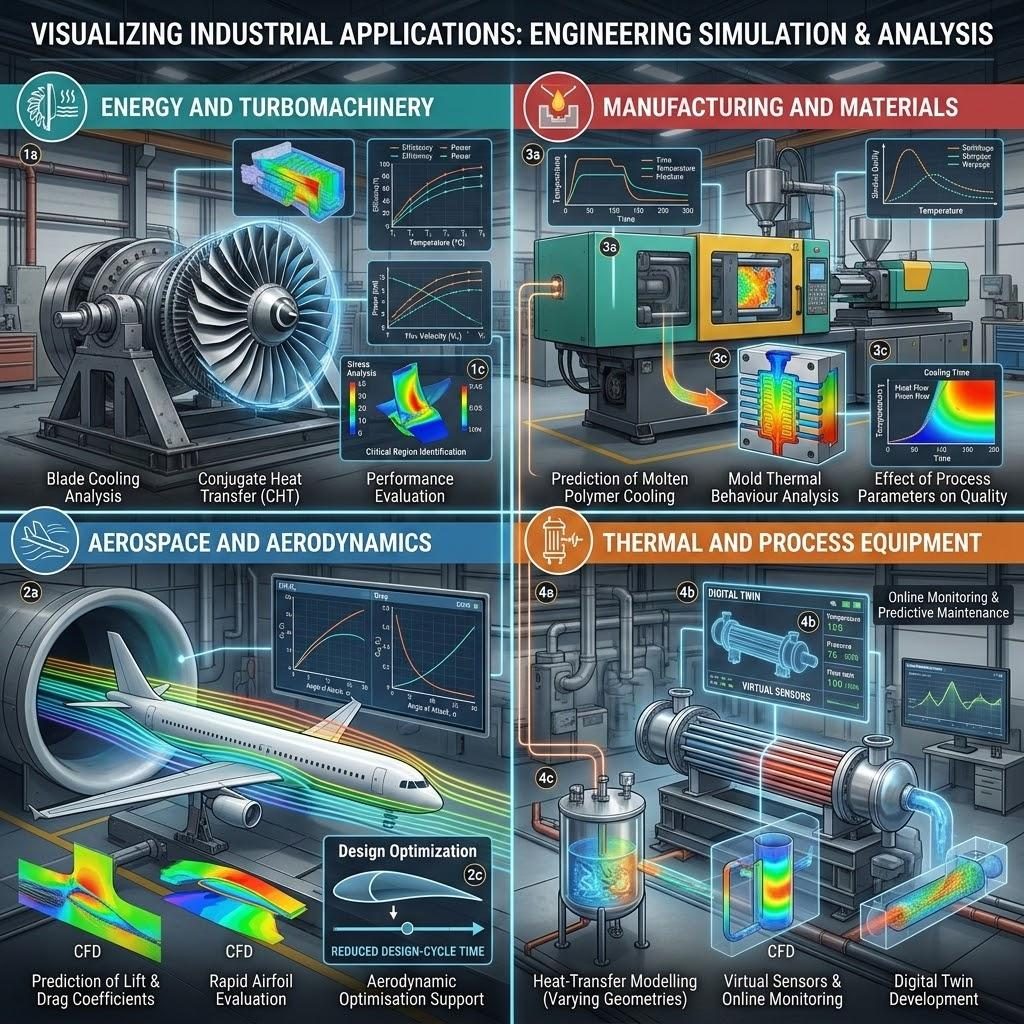
In many industrial projects, decisions depend on simulations that take hours or days, and some take months even on supercomputers. The problem grows when the goal is design optimisation: the design has to be changed hundreds of times, with a wait of several hours after every change.
Neural networks that learn from physics, not only data.
PINNs are ordinary neural networks, but instead of learning from a heavy dataset they take their errors and loss functions from the physical equations we already know. We write the equation and the network learns it inside that specific geometry. The result is not one fixed product: it is know-how that adapts to each customer's needs.
Technical details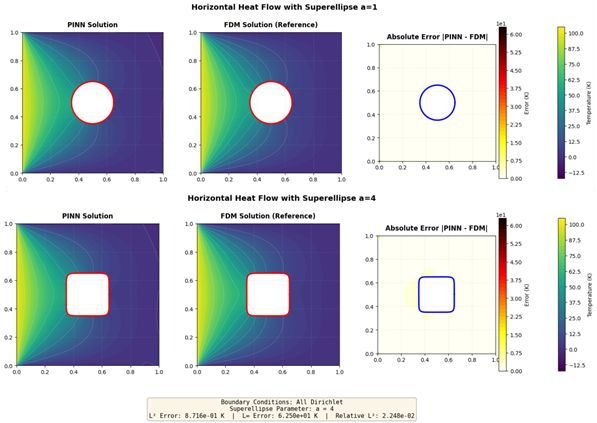
From equations to a fast answer.
The same core is reused for each new problem.
What the team can do today.
PINN stands for Physics-Informed Neural Networks. The idea was introduced in a 2019 paper by Maziar Raissi of Brown University: take the errors and loss functions from known physical equations instead of from data.
- Heat transfer and mass transfer
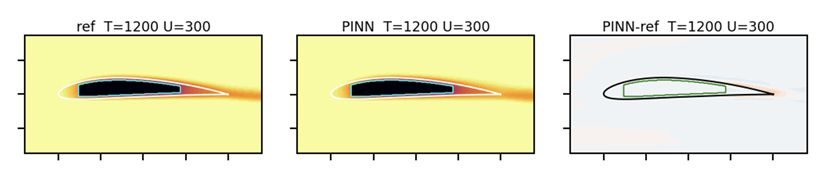
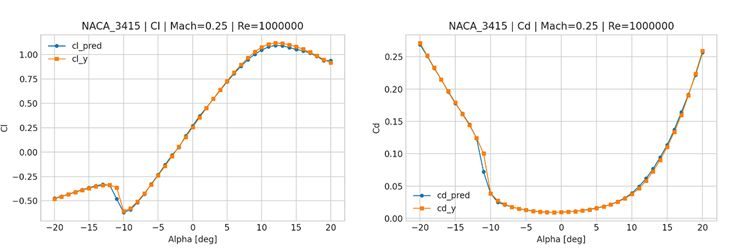
- CFD (computational fluid dynamics)
- Parts of electricity simulation under testing, including radar-related spaces
- Two-phase and three-phase oil flow problems
- Transient models that advance the simulation through time
- Digital twins of equipment such as boilers and turbines
- Virtual sensors on oil transfer lines for leaks and fluid phase changes
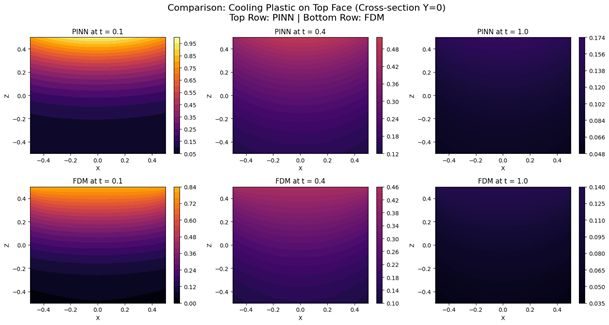
- Design optimisation, such as plastic injection mould cooling
- An in-house library written at ZLab instead of off-the-shelf tools
- Fast search for the best network structure for each new problem
- Training and, with human interaction and system suggestions, automatic choice of the best model structure
Project goals and focus.
The project is in development. These are goals and focus areas from the team, not measured results.
The people behind it.
A multidisciplinary team of engineers, researchers and domain experts.

More from this project.
Visuals of the system and its components.
From mould design to oil and gas.
Beyond the main projects, the team sees standalone products coming out of this know-how, such as software for optimising plastic injection moulds that could be licensed to companies. Talks are under way with Pasargad Energy Development Company to apply PINN in part design.
Discuss a similar project ZLAB
Part of the FANAP ecosystem
FANAP Advanced Technologies Laboratory