Truck Cargo Volume Estimation with a LiDAR Gate
Cargo volume, independent of the weighbridge.
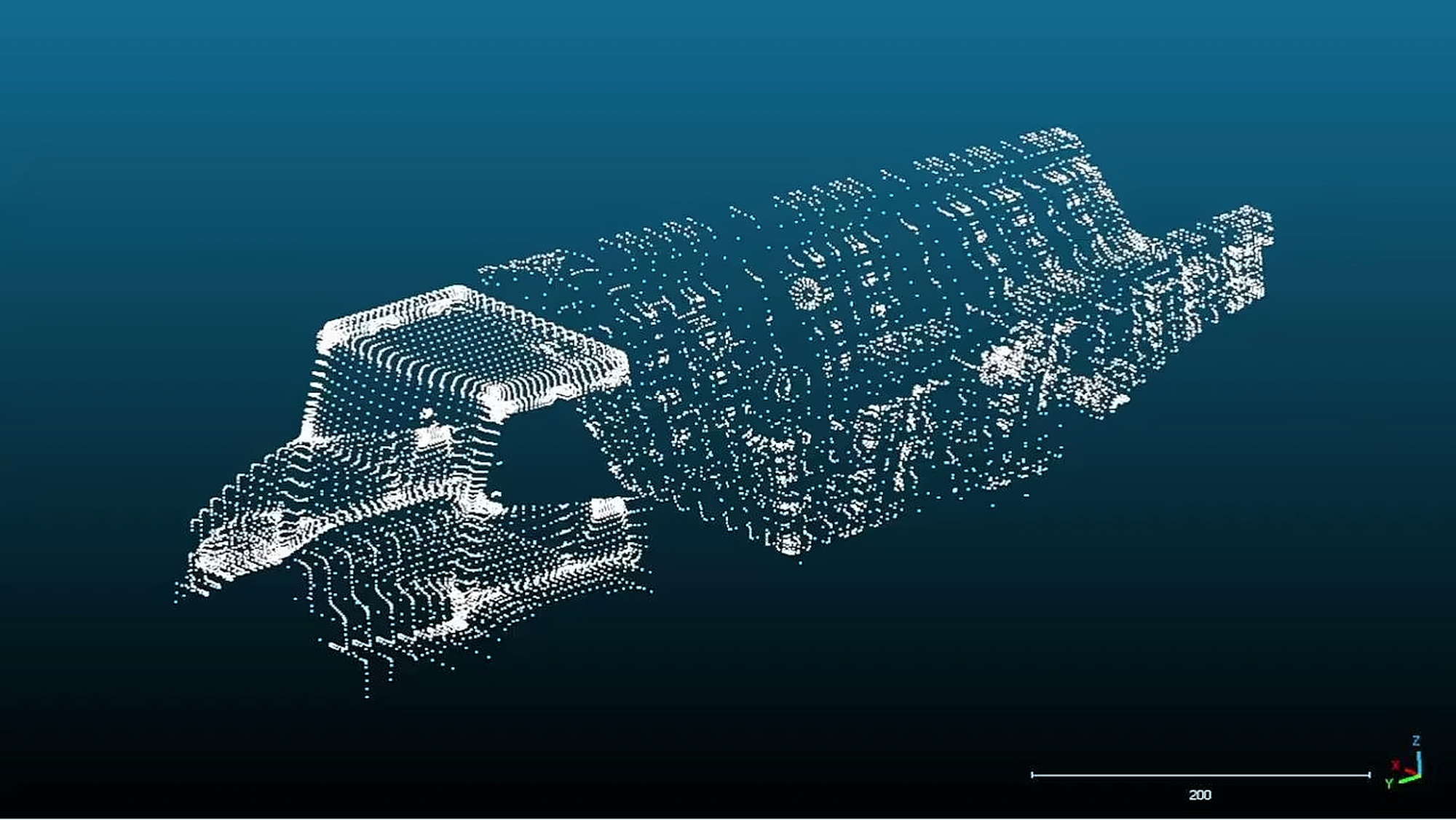
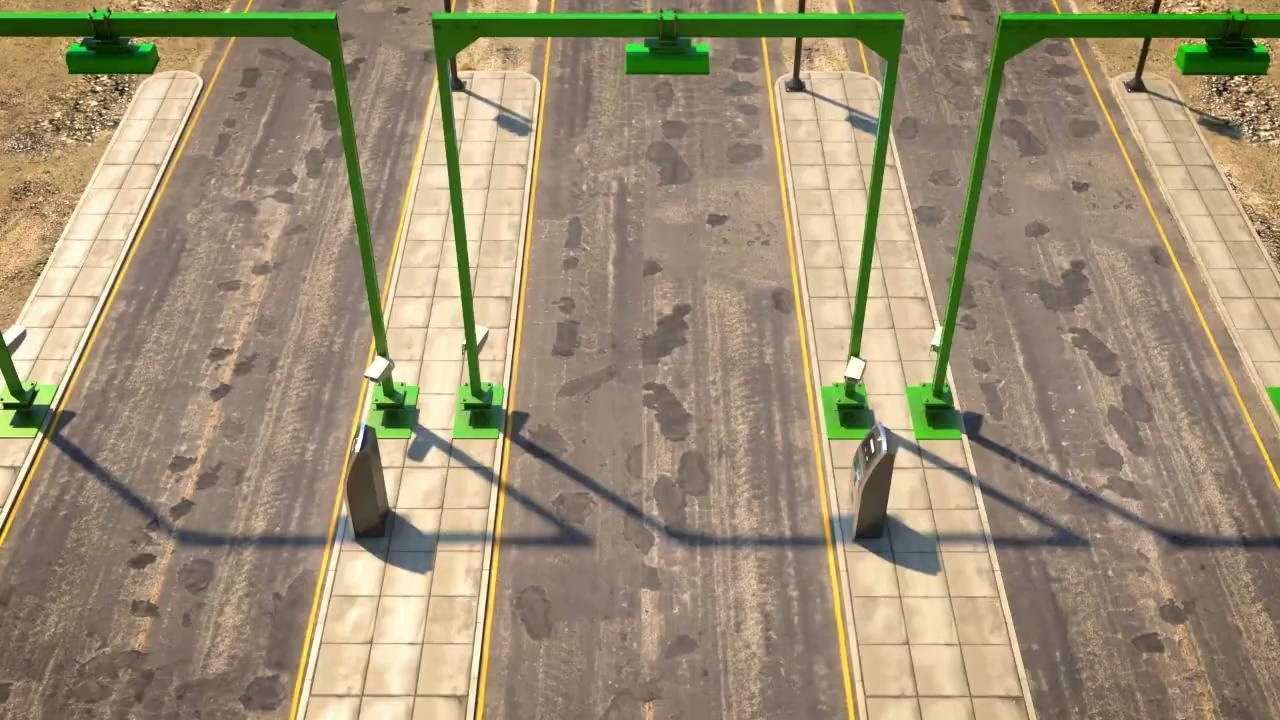
We designed a measurement gate fitted with 2D LiDARs. As a truck passes, before and after loading, the gate builds a 3D model of it. The cargo volume comes from the difference between the two models, and the estimated mass is then compared with the weighbridge reading.
Checking truck loads, beyond the weighbridge.
In mines and bulk industries, a truck's load is usually checked only by a weighbridge. The weighbridge gives total weight but says nothing about cargo volume, so it cannot provide an independent check on its own. This project is an independent measurement: cargo volume comes only from the difference between the empty and loaded truck, mass is estimated from the cargo density and compared with the weighbridge figure, and any significant difference is flagged for review.

A LiDAR gate that measures volume on the move.
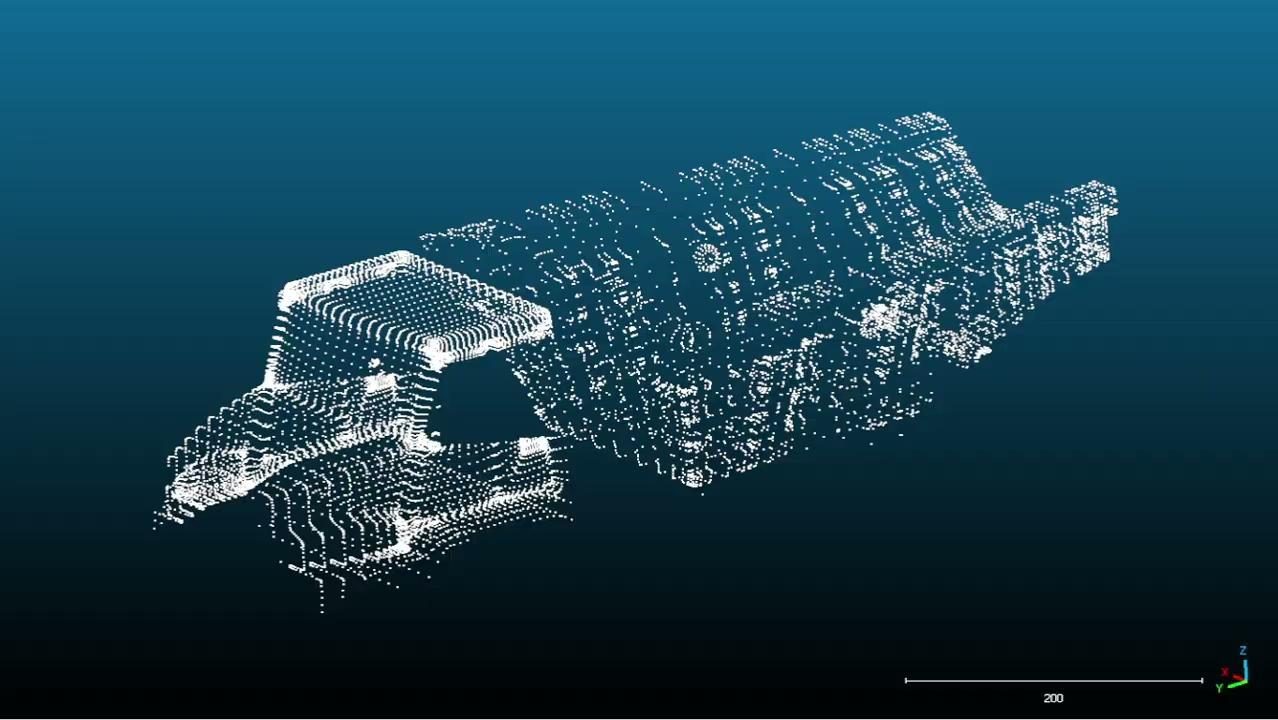
A gate over the truck's path carries two or three 2D LiDARs mounted perpendicular to each other. One scans along the direction of travel and estimates the truck's speed; the other scans across the truck and captures a cross-section at every instant. Using the speed, the cross-sections are stacked, and point-cloud models rebuild a coherent 3D model. This is done once for the empty truck and once for the loaded truck. The two models are then aligned in a common coordinate system by registration, the cargo volume is computed from their difference, and the cargo density turns it into mass.
Technical details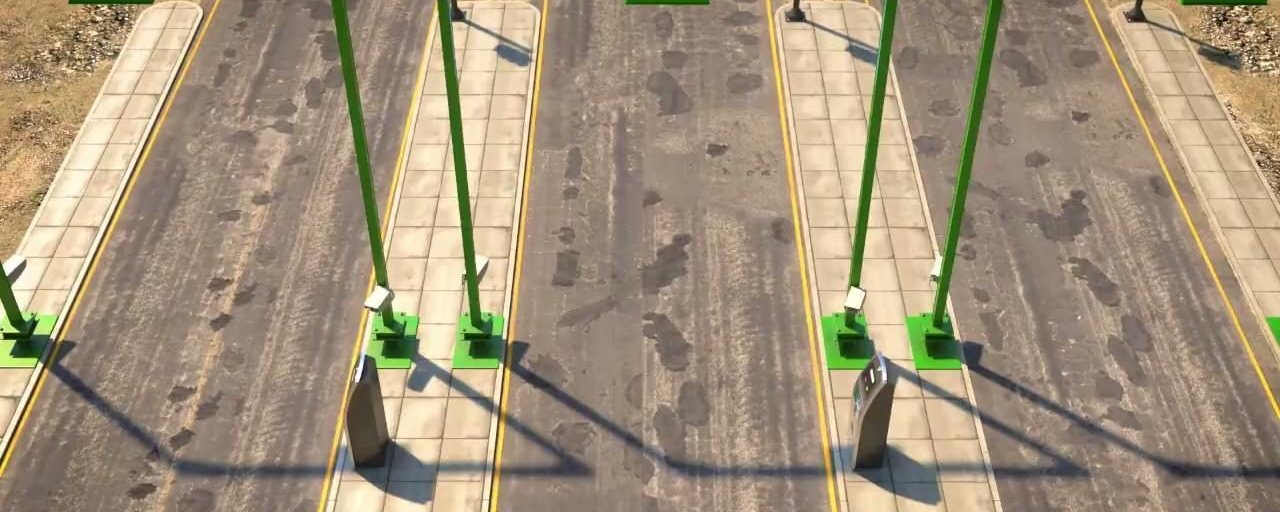
From LiDAR gate to mismatch report.
LiDAR data is captured as the truck passes through the gate and turned into cargo volume and mass in several steps.
Technical details.
- Measurement gate over the truck's path
- Along-path 2D LiDAR for speed estimation
- Across-path 2D LiDAR for cross-section capture
- Processing unit
- Speed estimation and cross-section stacking
- 3D model reconstruction and consolidation with point-cloud models
- Registration of empty and loaded models in one coordinate system
- Volume computed from the difference of the two models
- Mass estimate, weighbridge comparison and mismatch flagging
What the system produces.
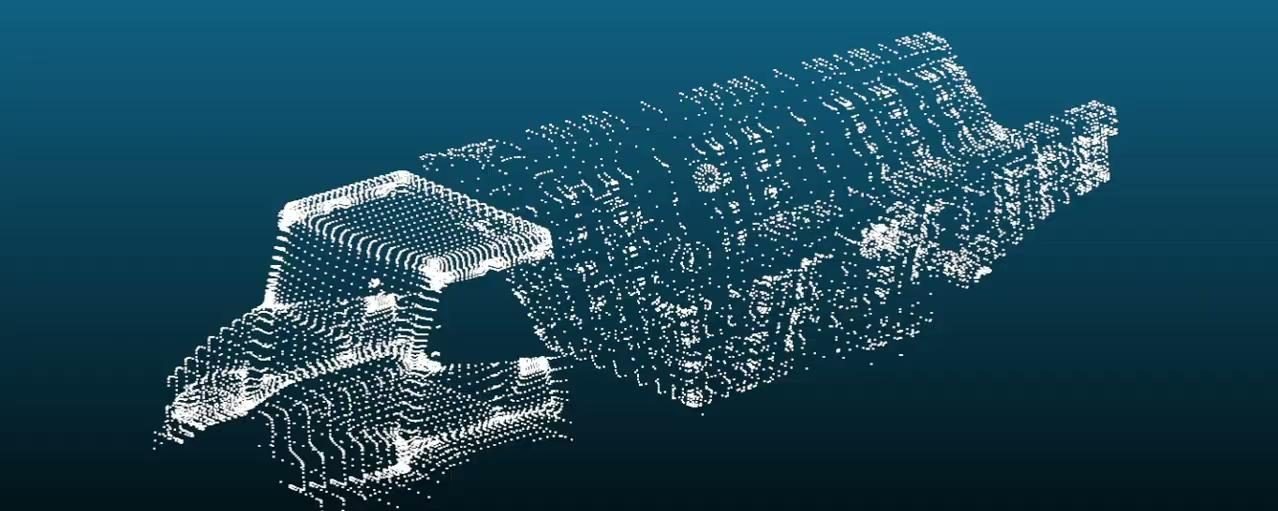
The system captures point clouds of the empty and the loaded truck and computes the cargo volume from them. Using the cargo density, it computes the cargo mass, which can be compared with the weighbridge value.
The people behind it.
A multidisciplinary team of engineers, researchers and domain experts.



More from this project.
Visuals of the system and its components.
Have a similar project?
If you need cargo volume measurement, weighbridge verification or bulk-material monitoring, get in touch and we will look at a solution suited to your site.
Discuss a similar project ZLAB
Part of the FANAP ecosystem
FANAP Advanced Technologies Laboratory